News-Zhejiang Aijiren Technology, Inc.

News

Home > News
Bonded PTFE/silicone vial caps and septa for low-bleed GC-MS/MS trace analysis
28
Aug

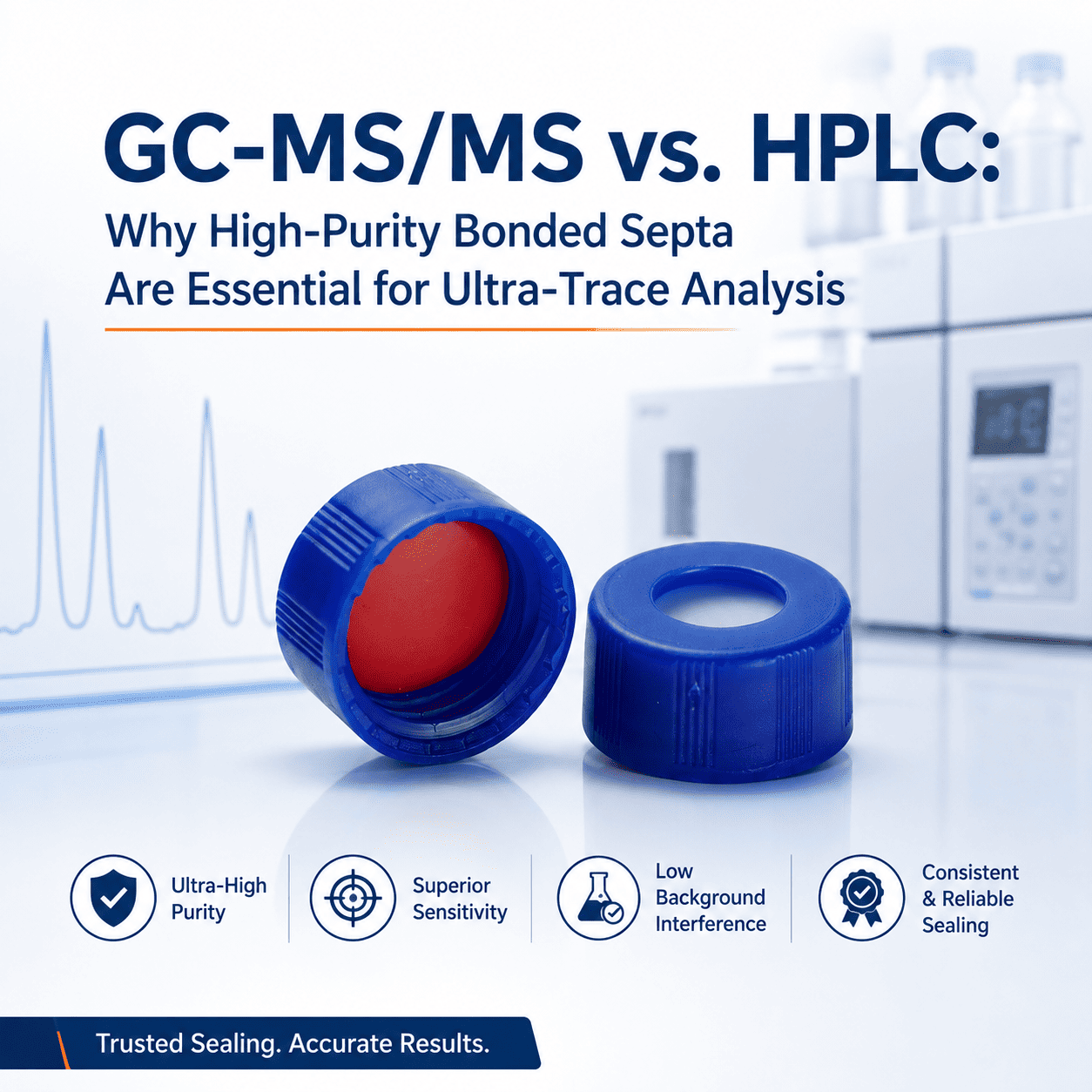
GC-MS/MS vs Standard HPLC: Why Mass Spectrometry-Grade High Sensitivity Demands Bonded Vial Caps and Septa

GC-MS/MS detects analytes at parts-per-billion or even parts-per-trillion levels, a regime where conventional HPLC caps and septa become a hidden source of background contamination. Adhesive residues, silicone oligomers, and plasticizers can outgas into the inlet and generate ghost peaks that mask target compounds. Bonded PTFE/silicone caps fuse the septum directly to the polypropylene cap without glue, eliminating adhesive bleed, preventing coring and push-through, and maintaining a stable seal through repeated autosampler injections. This guide explains why the same cap cannot serve both HPL
Headspace vial showing gas and liquid phase ratio affecting GC peak area repeatability
20
Aug

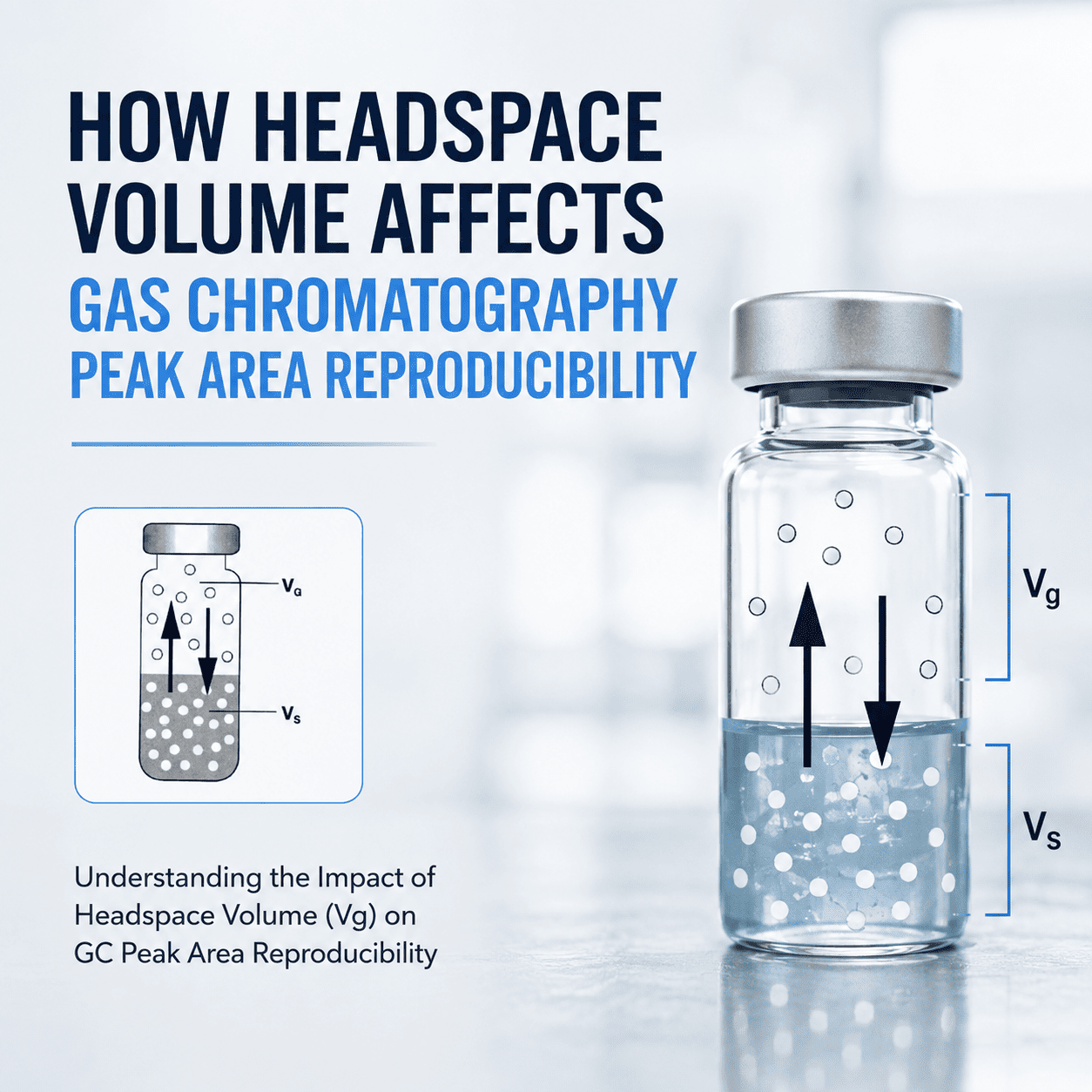
How Headspace Volume Affects GC Peak Area Repeatability

Headspace volume directly influences GC peak area repeatability by altering the phase ratio and equilibrium concentration of volatile analytes. This guide explains the thermodynamics, common sources of volume variation, and validation protocols for consistent headspace GC results.
10ml and 20ml headspace vials with high pressure PTFE silicone septa compared to liquid injection vials
18
Aug

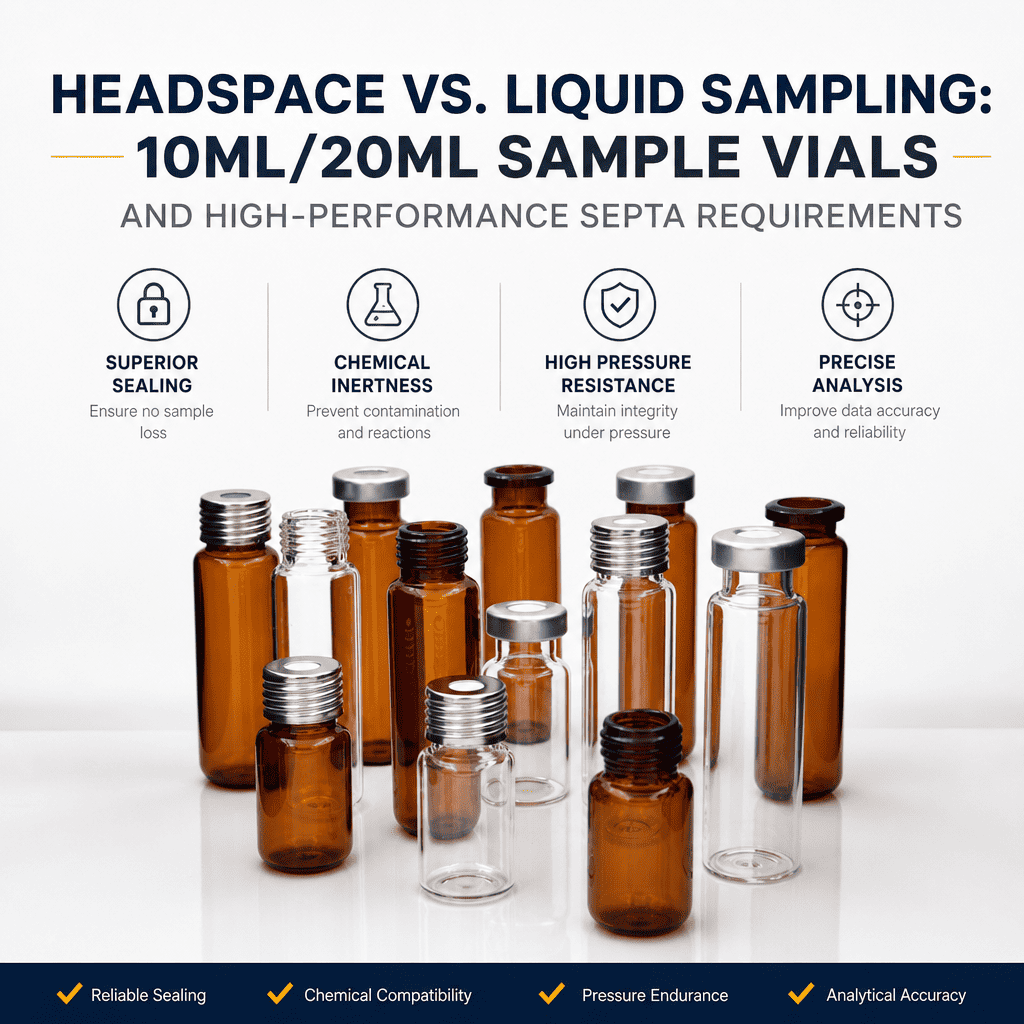
Static Headspace vs. Liquid Injection: Specific Requirements for 10ml/20ml Vials and High-Pressure Septa

Static headspace and liquid injection demand different vial and closure specifications. This guide covers 10ml/20ml headspace vial dimensions, wall thickness, 3mm PTFE/Silicone septa, Shore A hardness, crimp vs screw caps, and procurement criteria for high-pressure GC-HS analysis.
Syringe filter membrane penetration comparison showing damaged HPLC column frit and autosampler vial contamination
18
Aug

Understanding Membrane Penetration in HPLC: How Improper Pore Size Selection Ruins Your Columns and Vials

Membrane penetration is an often-overlooked risk in HPLC sample preparation. This article explains how improper selection between 0.22μm and 0.45μm pore sizes allows particles to break through the filter, clog columns, contaminate autosampler vials, and provides practical selection criteria and best practices for different chromatography systems.
HPLC UV detector vs LC-MS mass spectrometer resolution comparison for co-eluting compounds
10
Jul

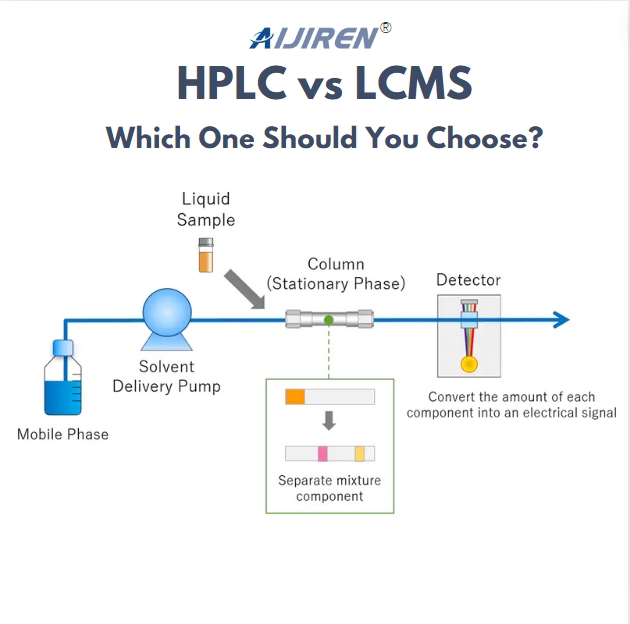
HPLC vs. LC-MS/MS: Cost, Sensitivity and Certified Consumable Requirements

HPLC and LC-MS both separate compounds by liquid chromatography, but they identify what comes off the column in completely different ways. One detects by light absorption, the other by molecular mass. This guide breaks down five critical factors: sensitivity thresholds, selectivity, sample preparation requirements, cost, and consumable specifications. It also explains why most LC-MS problems trace back to low-quality vials and filters, and why certified Type 5.0 vials and 0.22um syringe filters are essential for trace analysis. Free sample kit available.
13
May

nigerian-consulate-general-visits-aijiren-technology

Elevating Analytical Standards in Africa:As a leading global supplier of life science consumables, Zhejiang Aijiren Technology, Inc. was honored to welcome the...
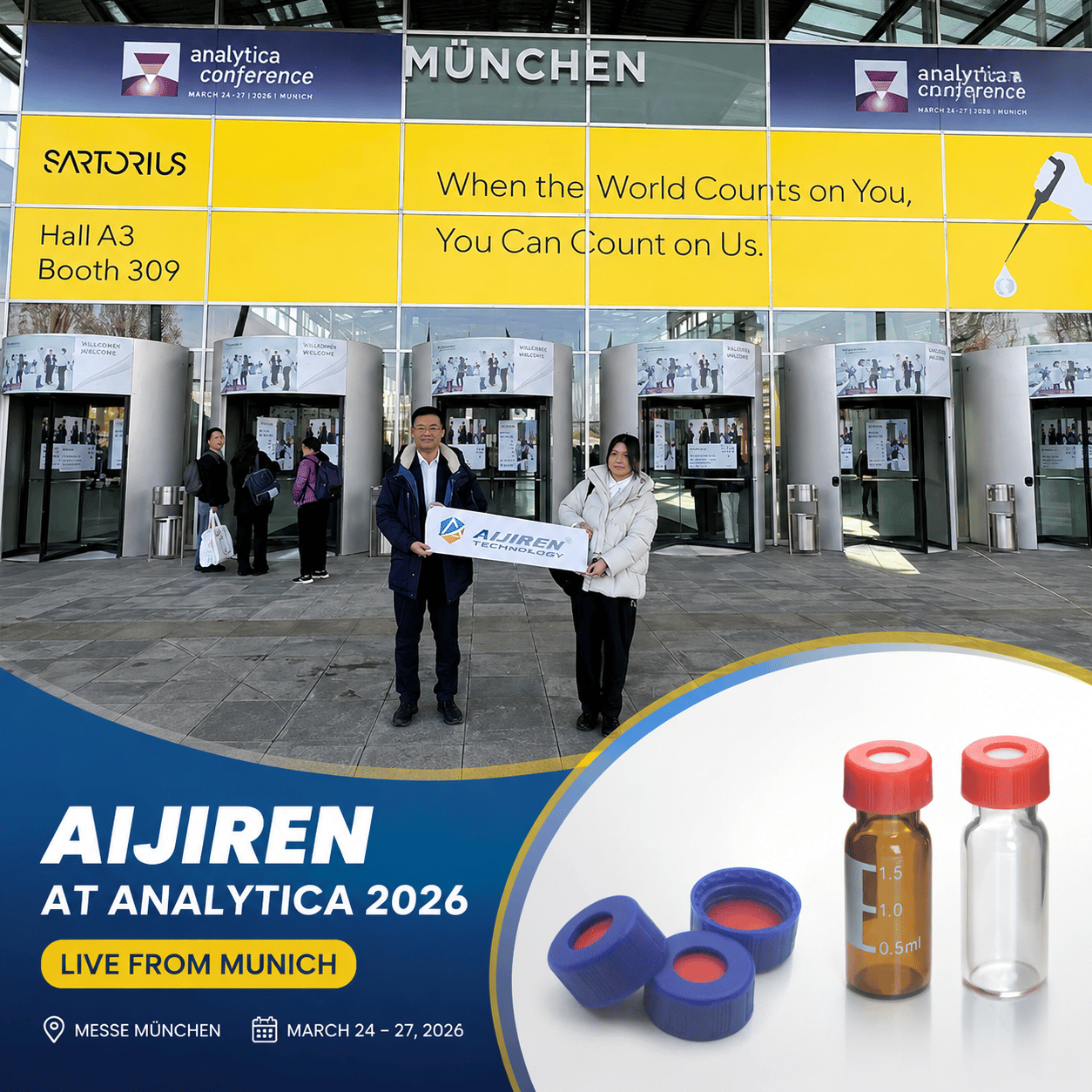
Aijiren Team Live at Analytica 2026 Munich
13
May

Aijiren Team Live at Analytica 2026 Munich

Explore High-Performance Lab Consumables: Aijiren Showcases at analytica 2026Zhejiang Aijiren Technology, Inc. is proud to announce its participation in analyt...
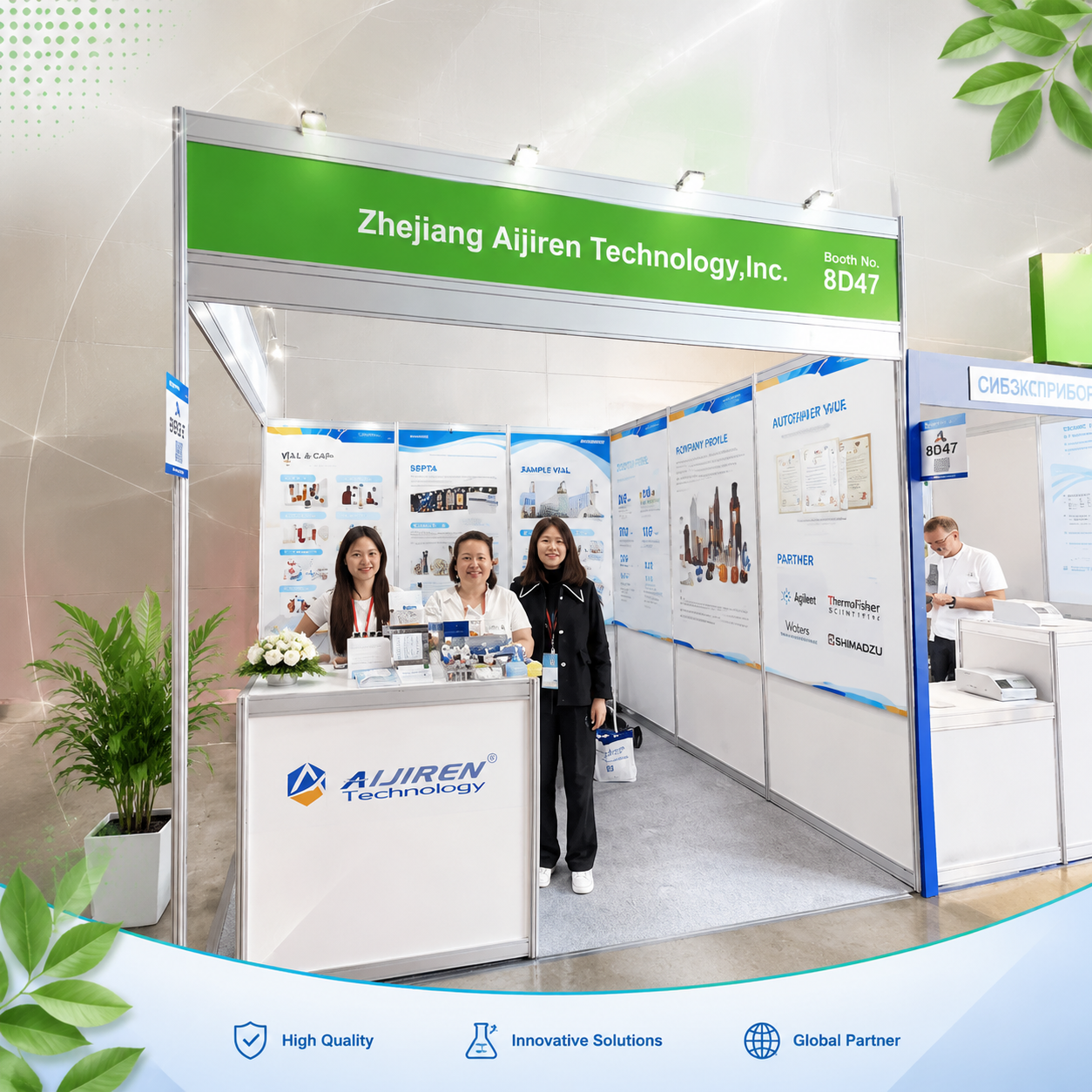
Aijiren Presents Next-Gen HPLC Vials and Filtration at Analitika 2026 Moscow
13
May

Aijiren Presents Next-Gen HPLC Vials and Filtration at Analitika 2026 Moscow

Join Zhejiang Aijiren Technology at the Crocus Exhibition Centre, Moscow, from April 22 to 24 for Analitika 2026. As a leading manufacturer with 16 years of ex...
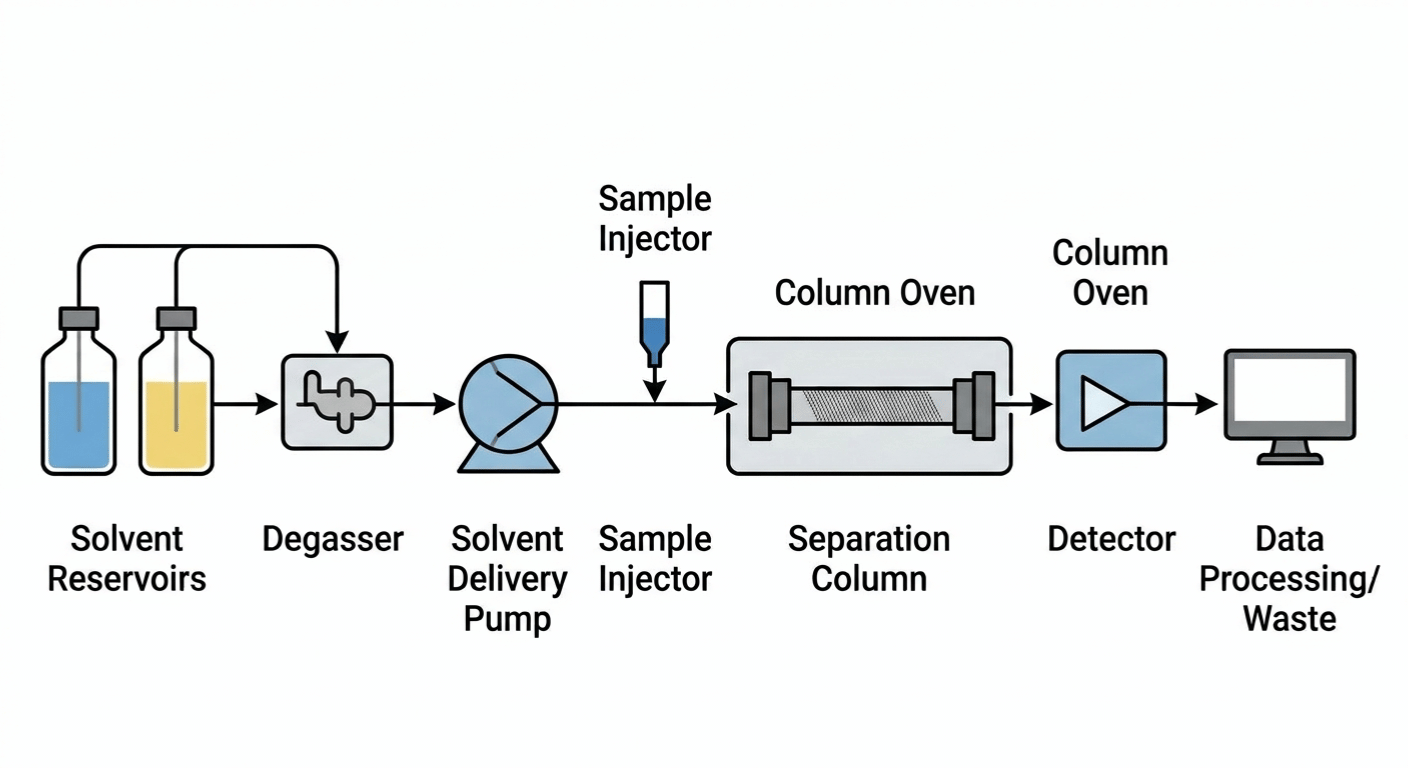
Professional HPLC system flow diagram illustrating the mobile phase journey from reservoir to detector for high performance liquid chromatography.
13
Mar

Mastering the Flow: A Lab Veteran’s Guide to HPLC Mobile Phases

In the lab, we often say the mobile phase is the "life line" of the system. Without it, your sample is just sitting in an injector, going nowhere. But how do you choose the right "train" to carry your molecules to the detector? Let’s break it down like we’re chatting over a coffee in the breakroom.
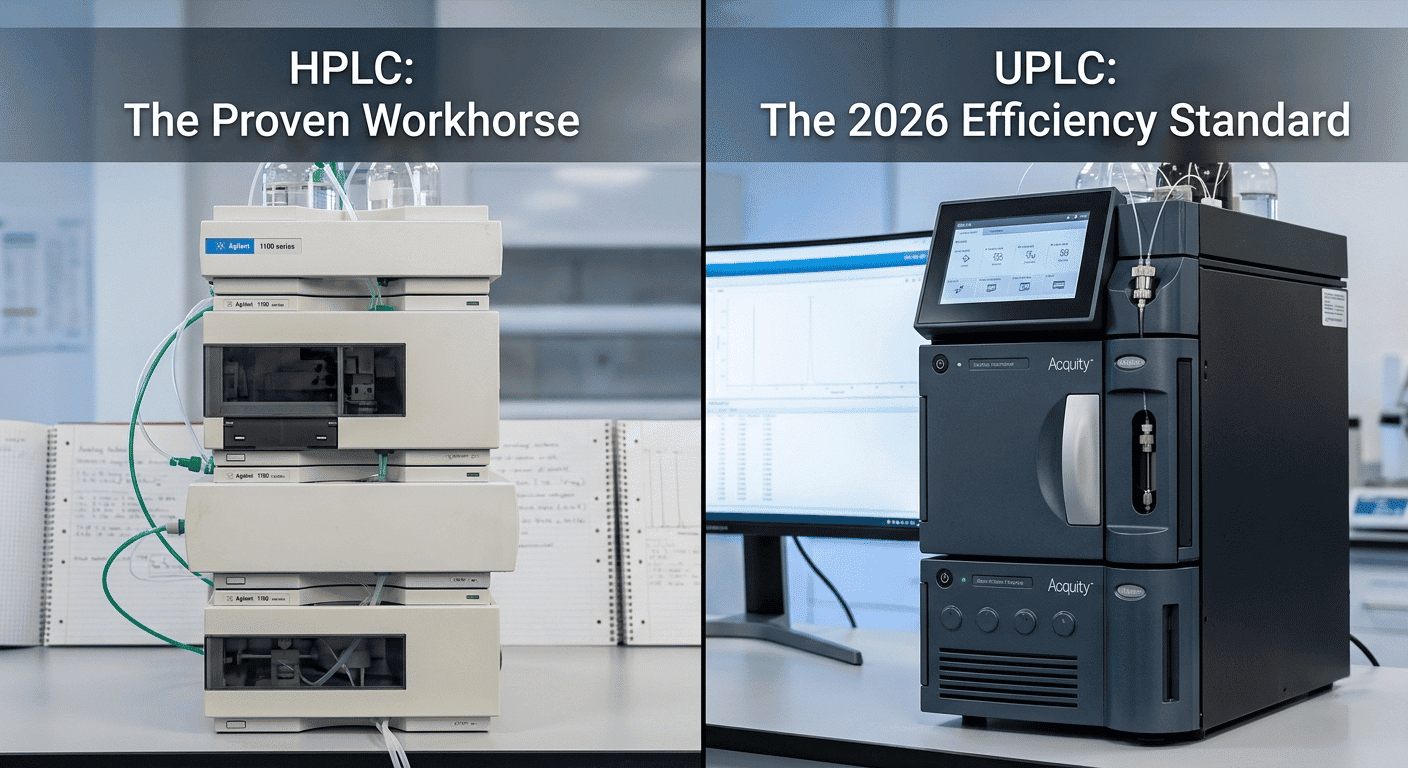
Side-by-side comparison of a traditional HPLC system and a modern high-pressure UPLC system in a laboratory setting.
12
Mar

HPLC vs UPLC: The Ultimate 2026 Guide to Performance, Cost, and Method Transfer

High-Performance Liquid Chromatography (HPLC) and Ultra-Performance Liquid Chromatography (UPLC) are the two pillars of the modern analytical lab. While they share the same fundamental principles, the shift toward UPLC in 2026 is driven by the need for higher resolution, faster throughput, and sustainable "Green Chemistry" practices. By utilizing 5 µm particles in HPLC versus sub-2 µm particles in UPLC, labs can drastically reduce analysis time from 30 minutes down to just 3 minutes.
An Expert's Guide to Reverse Phase HPLC & GC Elution Order
04
Feb

Mastering Peak Precision: What is Reverse Phase HPLC and How to Predict GC Elution Order

Go beyond basic manuals with this expert-led guide on reverse phase high pressure liquid chromatography and gc elution order. Learn practical laboratory techniques to optimize every chromatographic peak, eliminate dead volume, and achieve superior resolution using Aijiren’s precision-engineered consumables. Practical tips from the lab bench to your screen.
Aijiren pre-cleaned EPA 40ml vials for total organic carbon toc and surface water quality analysis
03
Feb

The Expert’s Guide to Environmental Monitoring: From EPA Certification to PFAS Forensic Analysis

Expert Environmental Monitoring Guide: An in-depth look at what EPA certification really means, exploring TOC measurement techniques in surface water quality monitoring. This article focuses on the risk of PFAS contamination in plastic bottles and provides laboratories with a professional pre-cleaning consumables solution to achieve low ppb background values.
Aijiren silanized HPLC vials and 4mL 13-425 vials for chromatography precision.
19
Jan

Why Your Recovery Fails: A Lab Expert’s Guide to Silanized HPLC Vials

In the high-stakes world of ultra-trace analysis (ppb/ppt levels), we obsess over column chemistry and mass spec sensitivity, yet we often ignore the very first surface our sample touches: the vial wall. For anyone running UHPLC-MS/MS in proteomics or clinical toxicology, a standard glass vial isn't just a container—it’s a chemical trap that can sabotage your results before the first injection.
Everything You Need to Know About Headspace GC Sample Preparation
04
Dec

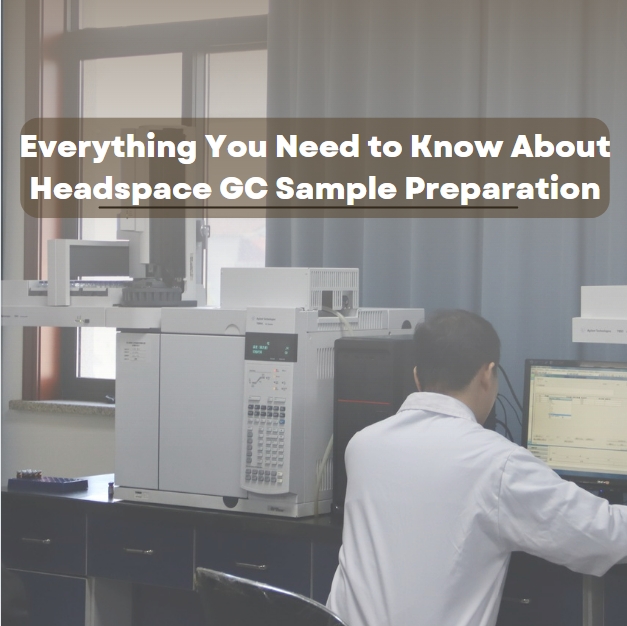
Everything You Need to Know About Headspace GC Sample Preparation

Headspace gas chromatography (HS-GC) is a powerful analytical technique for analyzing volatile compounds in a variety of sample matrices, including liquids and ...
GC headspace vial carousel cleaning and reuse workflow
31
Jul

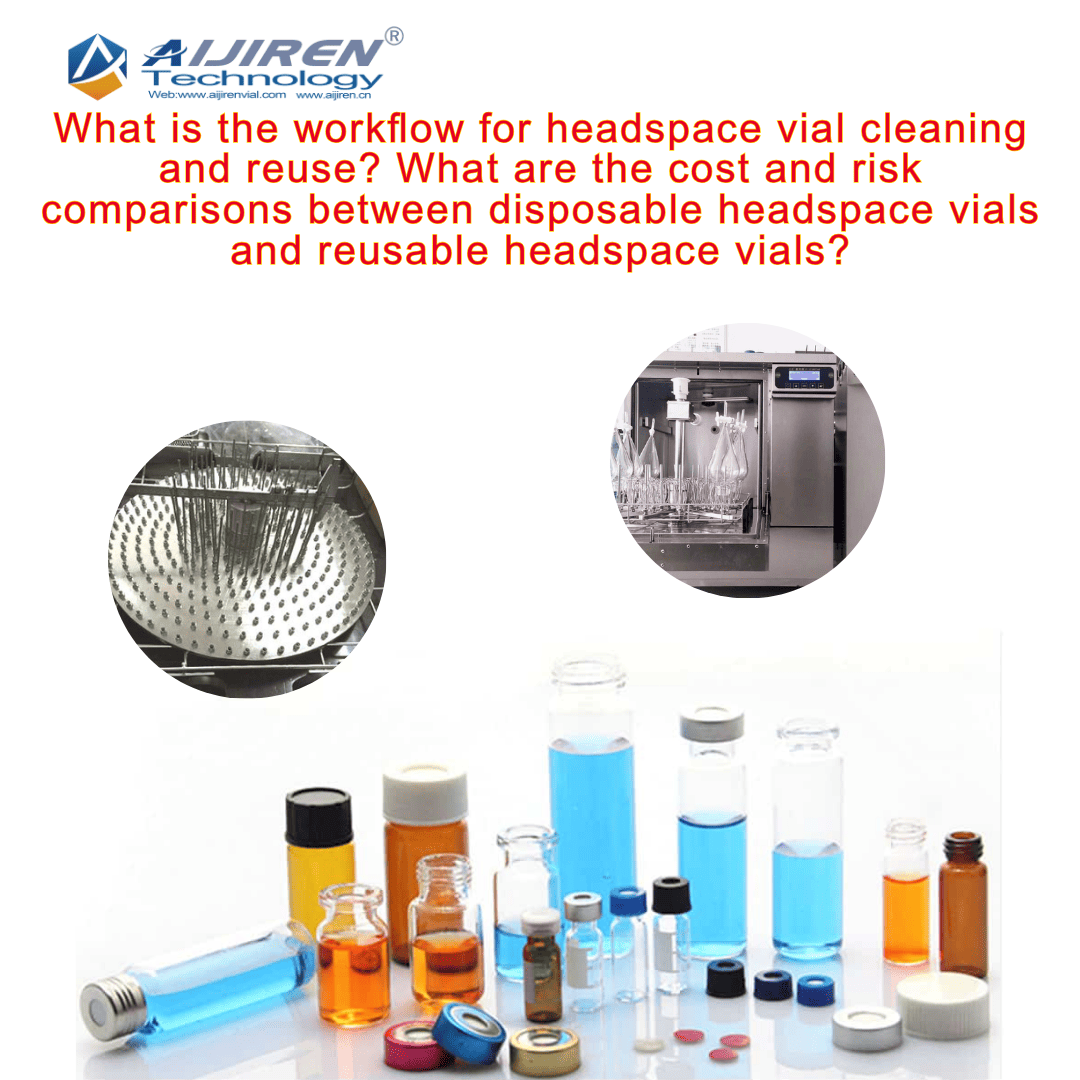
Headspace Vial Cleaning & Reuse: Workflow, Cost‑Risk Comparison of Disposable vs. Reusable Vials

This paper illustrates a typical GC‑HS sample vial carousel and details a multi-step cleaning and desorption-preconditioning protocol for high-borosilicate headspace vials. It further analyzes disposable vs. reusable vial models in terms of cost, contamination risk, and operational efficiency, assisting labs in designing an environmentally friendly, reliable, and efficient SOP for sample preparation.
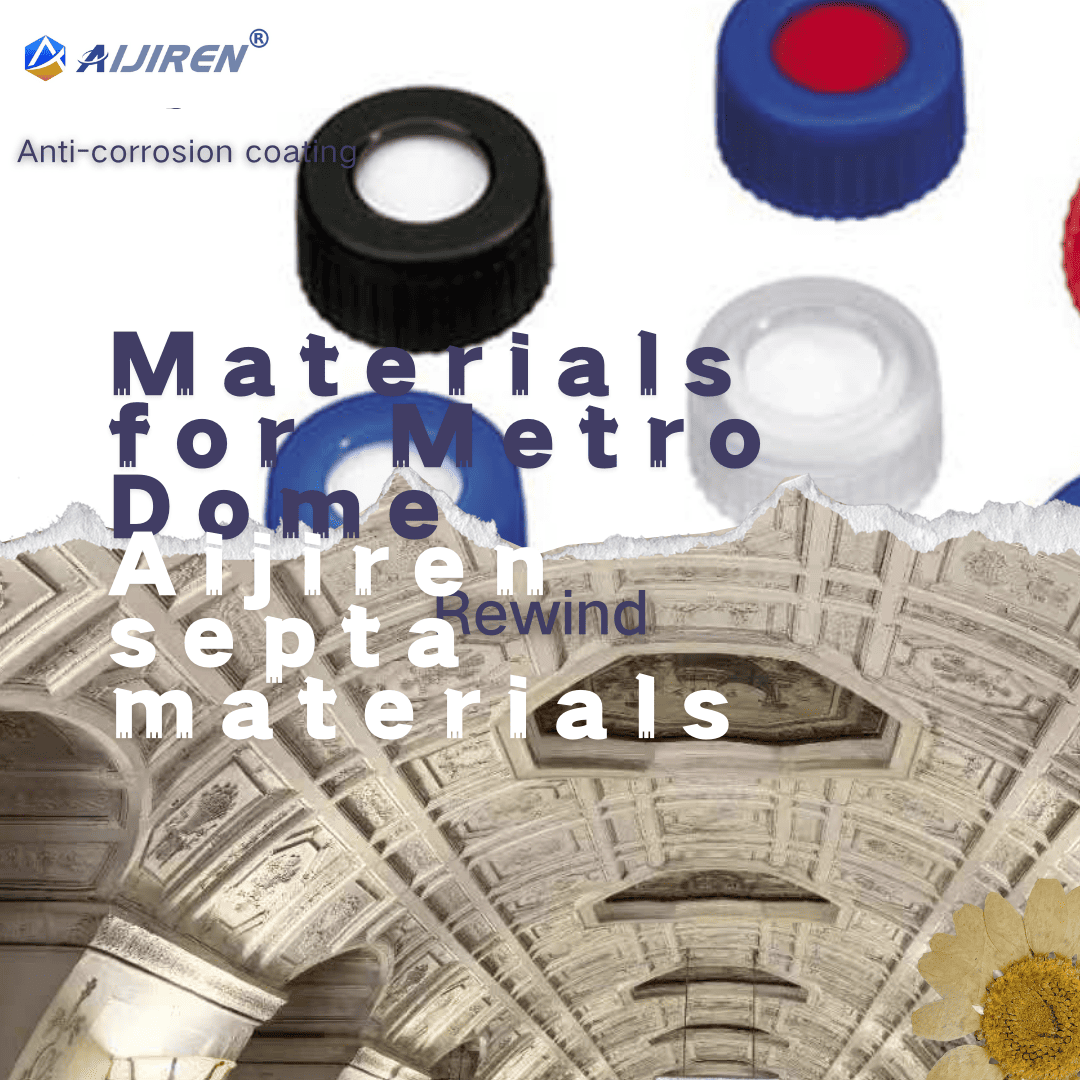
Comparison of Moscow Metro Domes and Aijiren Septa
09
May

From Domes to the Lab: Moscow Architecture Meets Aijiren Precision

Moscow’s Metro is famed for its “underground palaces” – station domes built to millimeter tolerances. This article compares four iconic stations’ vaults with Aijiren septa (bonded caps) in geometric precision, material durability, and testing protocols, highlighting a seamless pursuit of precision from grand architecture to lab consumables.
 1 2 3 4 5 6 7 8 9 10 11 12